Product directions
Unbranded packaging concept: Tone-evening development
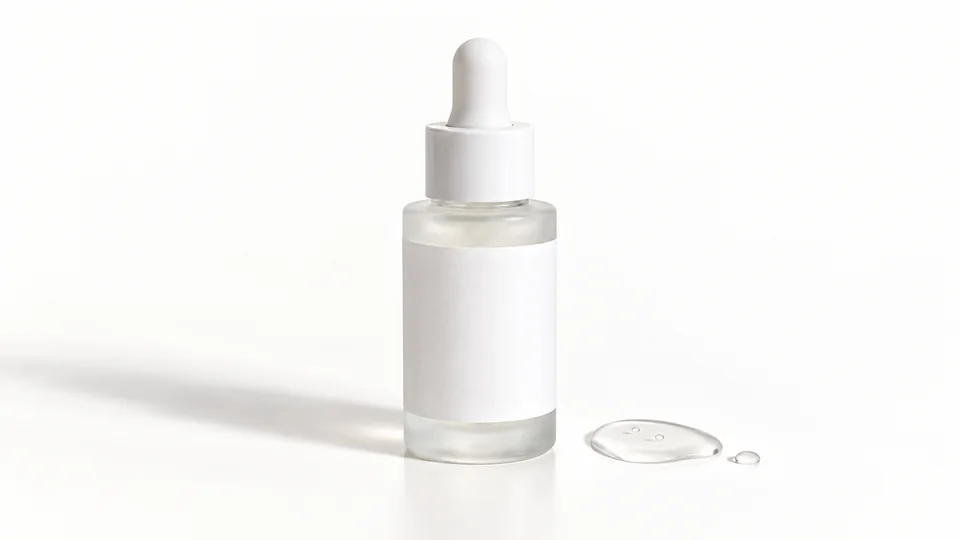
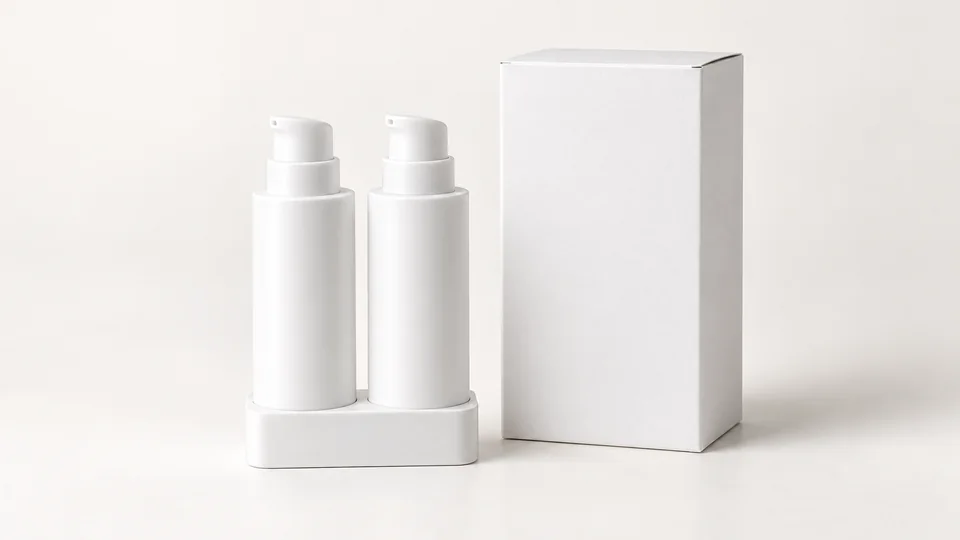
AI-generated white-label packaging concept. Final pack and appearance follow sample approval. View 4K upscaled image

Potassium Azeloyl Diglycinate, alpha-arbutin and kojic dipalmitate OEM

Custom development review · Tone-evening development

The page uses appearance-focused cosmetic language. Skin-lightening drug claims, universal concentrations and derivative-to-parent safety assumptions are excluded.

MOQ & quotation
Confirmed for the selected formula, fill size, packaging and order plan.
Samples & production
Timing is confirmed after formula scope, packaging availability and required tests are reviewed.
Your brand
Original label and packaging design, with product wording reviewed for the destination market.

Formula, format & packaging options

Published reference values describe the cited ingredient or study. They are not test results for a FANGKE finished formula. Project options are selections to review in your development brief.

Potassium Azeloyl Diglycinate balancing serum

Clear water serum using a verified Potassium Azeloyl Diglycinate grade with humectants and compatible preservation.

Product format
Clear gel-serum, 30–50 mL
Packaging route
30–50 mL airless pump
Potassium Azeloyl Diglycinate balancing serum Specifications
ParameterDevelopment detailBasis
Product formatClear gel-serum, 30–50 mLProject option
Pack configuration30–50 mL airless pumpProject option
Development routeWater-soluble active route; project screen 3–5% supplier grade and finished pH 5.0–6.5Project option
Supplier grade specificationSuggested 3–10%; raw-material pH 7.0–8.0Published reference[1]

Checks for the selected formula

  • Verify INCI/solids of the selected liquid or powder grade and calculate true active contribution.
  • Track pH, color, clarity, active assay and preservative efficacy through stability.

Destination-market notes

Position around balanced, even-looking skin and hydration after final claim review. Do not call the derivative azelaic acid treatment or transfer acne-drug claims.
Alpha-arbutin + N-acetyl glucosamine serum

Buffered aqueous serum with Alpha-Arbutin, N-Acetyl Glucosamine and humectants, designed around impurity and hydroquinone control.

Product format
Clear-to-opalescent serum, 30–50 mL
Packaging route
Opaque 30–50 mL airless pump
Alpha-arbutin + N-acetyl glucosamine serum Specifications
ParameterDevelopment detailBasis
Product formatClear-to-opalescent serum, 30–50 mLProject option
Pack configurationOpaque 30–50 mL airless pumpProject option
Development routeProject screen Alpha-Arbutin 0.5–2% for facial use and N-Acetyl Glucosamine 1–3%, pH 4.8–6.5; market review controls final valuesProject option
SCCS face-cream ceilingAlpha-arbutin up to 2% in face cream under the assessed conditionsPublished reference[2]

Checks for the selected formula

  • Test Alpha-Arbutin assay, hydroquinone/impurities, pH drift and color under heat and light.
  • Complete destination-market concentration/claim review and preservative/pack compatibility before artwork.

Destination-market notes

Use even-looking tone and radiance language where permitted. Ingredient-purity and hydroquinone specifications are release-critical; country rules may be stricter.

Kojic Dipalmitate emulsion feasibility

Oil-phase emulsion using a supplier-documented Kojic Dipalmitate grade only after derivative-specific safety and market review.

Product format
Opaque emulsion-serum or cream, 20–50 mL
Packaging route
Opaque 20–50 mL airless pump
Kojic Dipalmitate emulsion feasibility Specifications
ParameterDevelopment detailBasis
Product formatOpaque emulsion-serum or cream, 20–50 mLProject option
Pack configurationOpaque 20–50 mL airless pumpProject option
Development routeNo public dose promise; feasibility screen may compare 0.5–2% supplier grade after solubility and toxicology reviewProject option
Regulatory non-transfer warningSCCS assessed kojic acid up to 1% but explicitly excluded kojic-acid esters such as kojic dipalmitatePublished reference[3]

Checks for the selected formula

  • Obtain derivative-specific toxicology, purity, residual kojic acid, solvent/heat stability and market status.
  • Verify dissolution, recrystallization, assay, color and pack adsorption before any consumer claim test.

Destination-market notes

Feasibility only. A parent kojic-acid opinion cannot substantiate the dipalmitate derivative; a current supplier safety file and destination decision are mandatory.

Project questions

Do source-reference values describe a ready Fangke formula?

No. They are traceable supplier, regulatory or research benchmarks. Formula ownership, raw-material grade, dosage, pilot feasibility, MOQ, lead time, claims and destination-market status are confirmed only for the individual project.

Which tests are included before commercialization?

The program is set after the formula, pack, intended use and market are known. Typical work includes specifications, stability, pack compatibility, microbiological quality or preservative efficacy and safety review. SPF, brightening, wrinkle or other performance claims need dedicated substantiation.

Technical references & source scope

These references support ingredient selection, formulation questions and market review. A quoted study, supplier test or regulatory limit does not establish finished-product efficacy or approval.

  1. Azeloglicina technical flyer Sinerga

    Supplier identifies the INCI as Potassium Azeloyl Diglycinate, with pH 7.0–8.0 for the raw material and suggested dosage 3–10%. This is grade-specific supplier guidance, not a universal safe level or Fangke specification.

  2. SCCS opinion on alpha-arbutin and beta-arbutin in cosmetic products European Commission Scientific Committee on Consumer Safety

    SCCS concluded alpha-arbutin safe up to 2% in face cream and 0.5% in body lotion under the assessed conditions. The opinion also discusses stability and hydroquinone; it is an EU safety opinion, not a global formula recommendation.

  3. SCCS scientific opinion on kojic acid European Commission Scientific Committee on Consumer Safety

    SCCS assessed kojic acid up to 1% for the stated use but explicitly did not include kojic-acid esters such as kojic dipalmitate because data were not submitted. The 1% conclusion must not be transferred to the derivative.

Content reviewed:

Send a product brief

Include your destination country, quantity, preferred option, fill size and packaging. We will review the formula route and quotation inputs.