Product directions
Unbranded packaging concept: Retinal feasibility
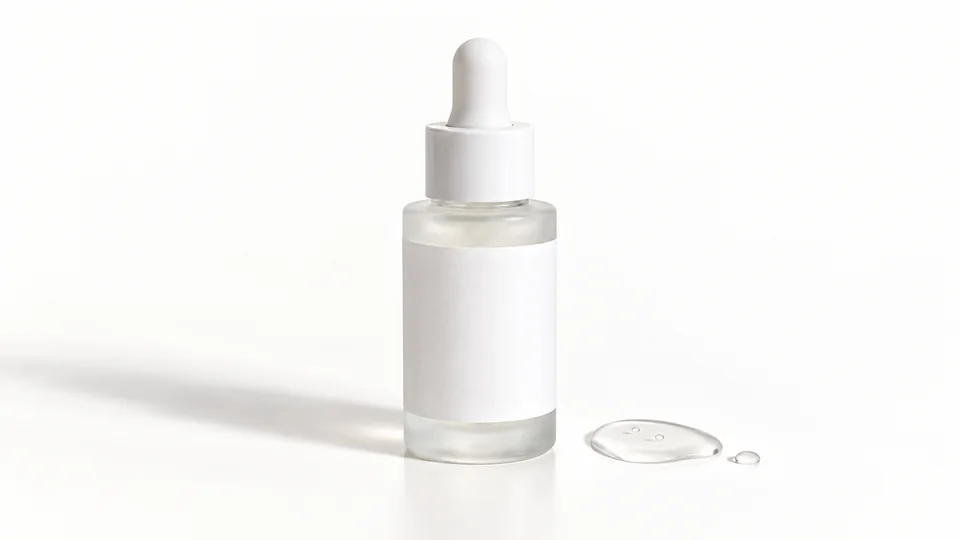
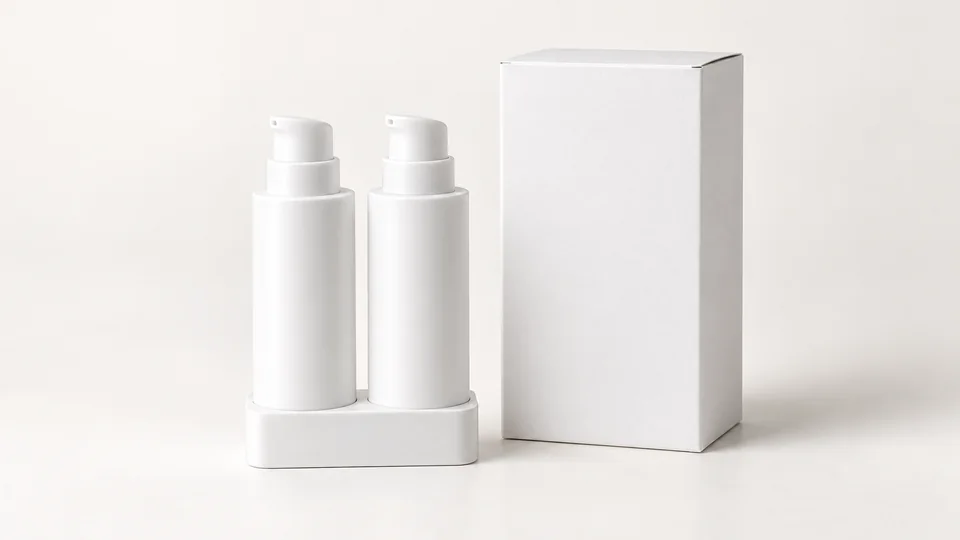
AI-generated white-label packaging concept. Final pack and appearance follow sample approval. View 4K upscaled image

Stabilized retinal night serum OEM feasibility

Custom development review · Retinal feasibility

Encapsulation may be screened, but it is not assumed to solve stability or irritation. The exact Retinal grade, active content and carrier determine the real formula dose.

MOQ & quotation
Confirmed for the selected formula, fill size, packaging and order plan.
Samples & production
Timing is confirmed after formula scope, packaging availability and required tests are reviewed.
Your brand
Original label and packaging design, with product wording reviewed for the destination market.

Formula, format & packaging options

Published reference values describe the cited ingredient or study. They are not test results for a FANGKE finished formula. Project options are selections to review in your development brief.

Stabilized retinal night serum

Anhydrous or low-water emulsion-serum with a verified Retinal/encapsulated Retinal grade, antioxidant system and opaque pack.

Product format
Yellow emulsion or oil-serum, 15–30 mL
Packaging route
15–30 mL opaque, low-oxygen airless pump
Stabilized retinal night serum Specifications
ParameterDevelopment detailBasis
Product formatYellow emulsion or oil-serum, 15–30 mLProject option
Pack configuration15–30 mL opaque, low-oxygen airless pumpProject option
Development routeProject screen 0.03–0.1% Retinal active after correcting for grade potency; values are feasibility optionsProject option
Published Retinal concentrations0.05% and 0.1% retinaldehyde creams assessed for 3 monthsPublished reference[1]
EU vitamin-A screening context0.05% or 0.3% retinol-equivalent limits apply to specified retinol esters/retinol—not directly to retinalPublished reference[2]

Checks for the selected formula

  • Assay active Retinal and degradation products under light/oxygen/temperature stress in the final pack.
  • Complete irritation, cumulative-use and consumer-instruction assessment for the final active dose.

Destination-market notes

Use only after country-specific ingredient, warning and pregnancy-language review. Do not copy clinical percentages or claim prescription-retinoid equivalence.
Project questions

Do source-reference values describe a ready Fangke formula?

No. They are traceable supplier, regulatory or research benchmarks. Formula ownership, raw-material grade, dosage, pilot feasibility, MOQ, lead time, claims and destination-market status are confirmed only for the individual project.

Which tests are included before commercialization?

The program is set after the formula, pack, intended use and market are known. Typical work includes specifications, stability, pack compatibility, microbiological quality or preservative efficacy and safety review. SPF, brightening, wrinkle or other performance claims need dedicated substantiation.

Technical references & source scope

These references support ingredient selection, formulation questions and market review. A quoted study, supplier test or regulatory limit does not establish finished-product efficacy or approval.

  1. Efficacy and safety of retinaldehyde 0.1% and 0.05% creams PubMed / Journal of Cosmetic Dermatology

    A three-month randomized study evaluated 0.05% and 0.1% retinaldehyde creams in 40 volunteers. It is a research benchmark, not a market authorization, universal dose or Fangke efficacy claim.

  2. Commission Regulation (EU) 2024/996 European Union

    EU restriction covers retinol, retinyl acetate and retinyl palmitate at 0.05% retinol equivalent in body lotion and 0.3% in other leave-on/rinse-off products, with labeling conditions. It does not itself set a retinal limit; retinal requires separate legal review.

Content reviewed:

Send a product brief

Include your destination country, quantity, preferred option, fill size and packaging. We will review the formula route and quotation inputs.